

Dry Needling
What Is Dry Needling?
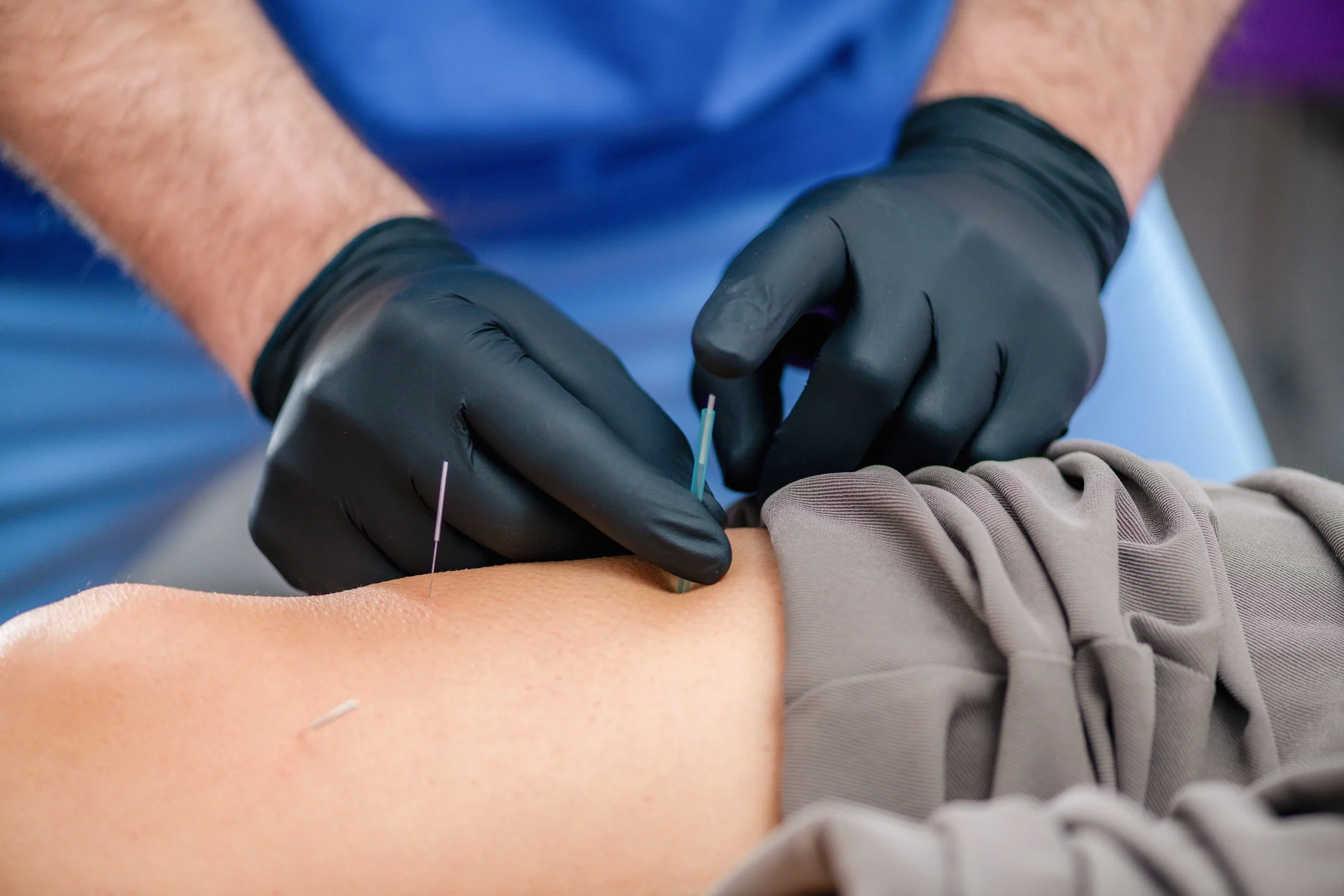
Dry needling is an advanced treatment technique offered by our physical therapists to help address muscle tightness, trigger points, movement restrictions, and pain. As part of a comprehensive rehabilitation program, dry needling may help improve mobility, reduce irritation, and support recovery so patients can return to daily activities, exercise, work, and sport more comfortably.
-
Neck pain
Back pain
Shoulder pain
Hip pain
Sciatica-related muscle tightness
Headaches and tension headaches
Muscle spasms
Sports injuries
Tendon-related pain
Chronic muscle tightness
Postural dysfunction
Overuse injuries
-
Reduced muscle tension
Improved range of motion
Decreased pain and irritation
Improved muscle activation
Faster recovery between activities
Improved tolerance to exercise and rehabilitation
Reduced trigger point sensitivity
-
Evaluation by a licensed physical therapist who has completed specialized dry needling training in accordance with state requirements and professional standards
Identification of muscular trigger points and movement dysfunction
Informed consent obtained
Use of single-use sterile needles
Most sessions last only a few minutes within a larger therapy visit
Patients may feel:
a brief twitch response,
mild soreness,
or temporary muscle fatigue afterward
-
Patients should discuss:
pregnancy,
bleeding disorders,
anticoagulant use,
infection,
needle sensitivity/phobia,
or certain medical conditions
with their therapist before treatment.
Frequently Asked Questions
-
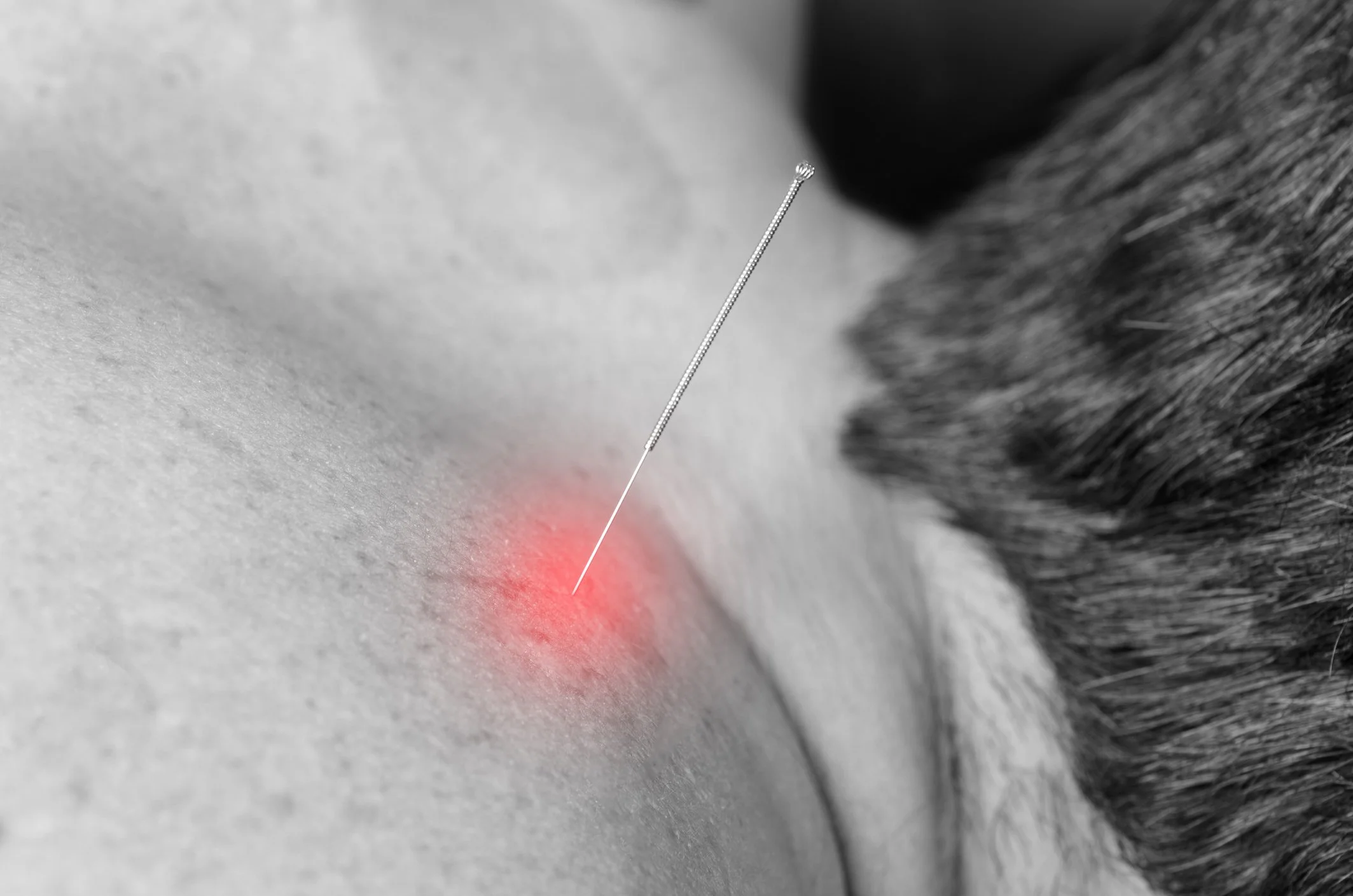
Most patients describe the sensation as mild and brief. Some areas may feel more sensitive than others, especially when treating tight or irritated muscles. It is also common to experience temporary soreness afterward, similar to post-workout soreness.
-
At this time, the clinic offers dry needling as a cash-pay service only. Pricing can be discussed with our team prior to treatment.
-
While both techniques use thin filament needles, dry needling is based on orthopedic and neuromuscular assessment principles and is performed by a physical therapist as part of a rehabilitation-focused treatment approach.
-
The number of sessions varies depending on the condition being treated, symptom severity, activity level, and individual response to treatment. Your therapist will discuss recommendations after your evaluation.
-
Yes. At this time, dry needling is offered only as an add-on service during a scheduled physical therapy treatment session when determined to be clinically appropriate by your therapist. Standalone dry needling sessions are not currently offered.